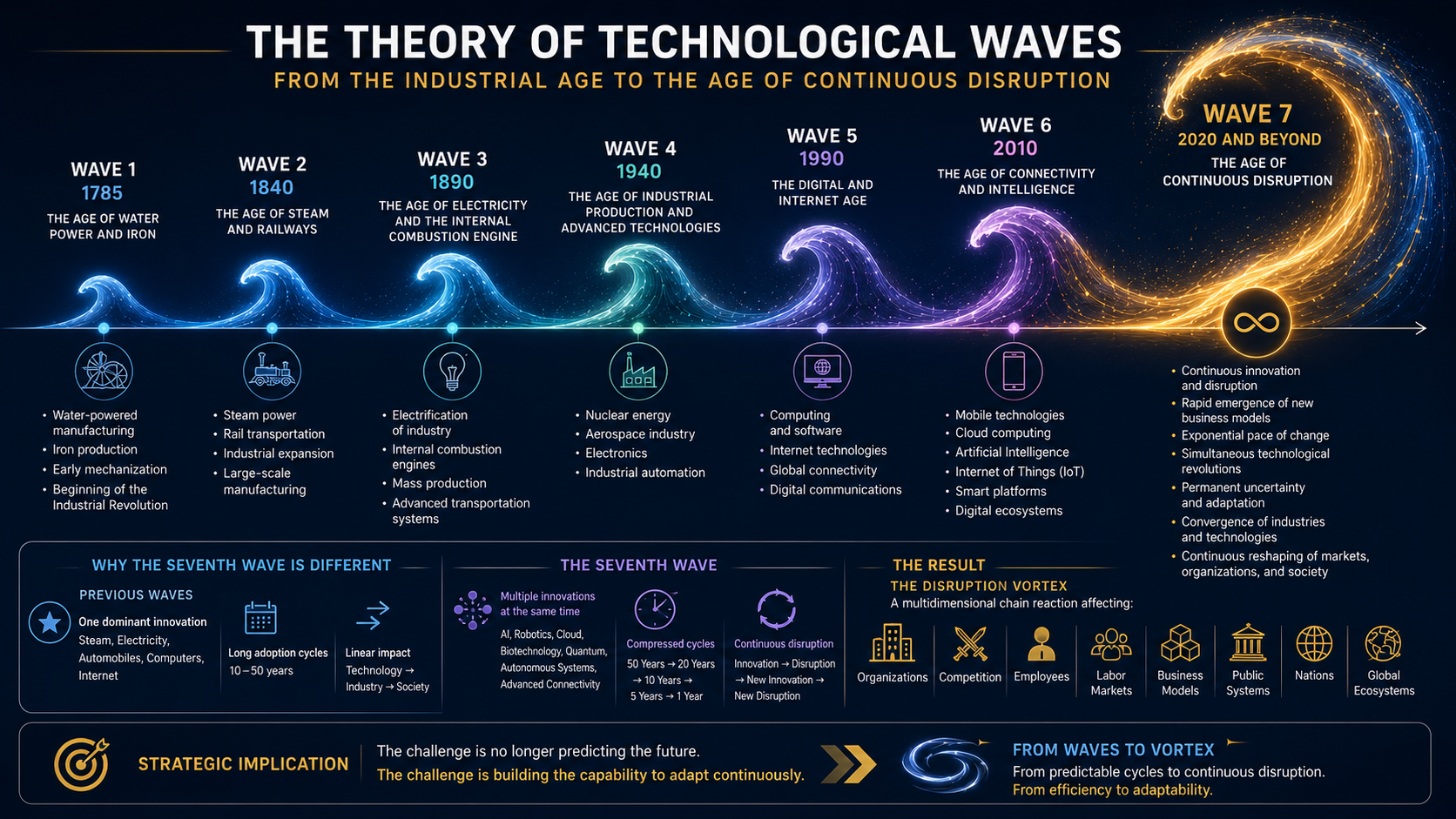
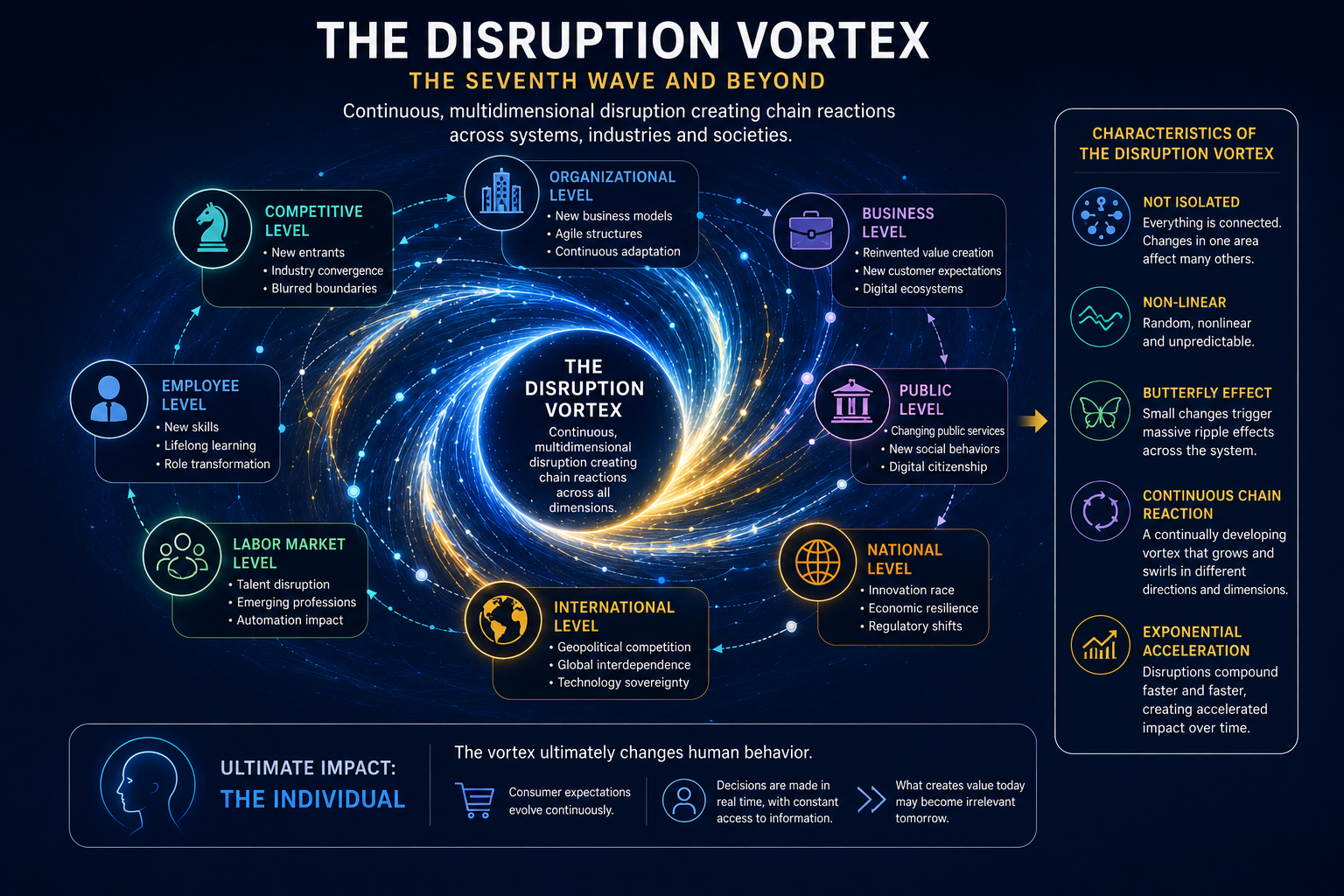
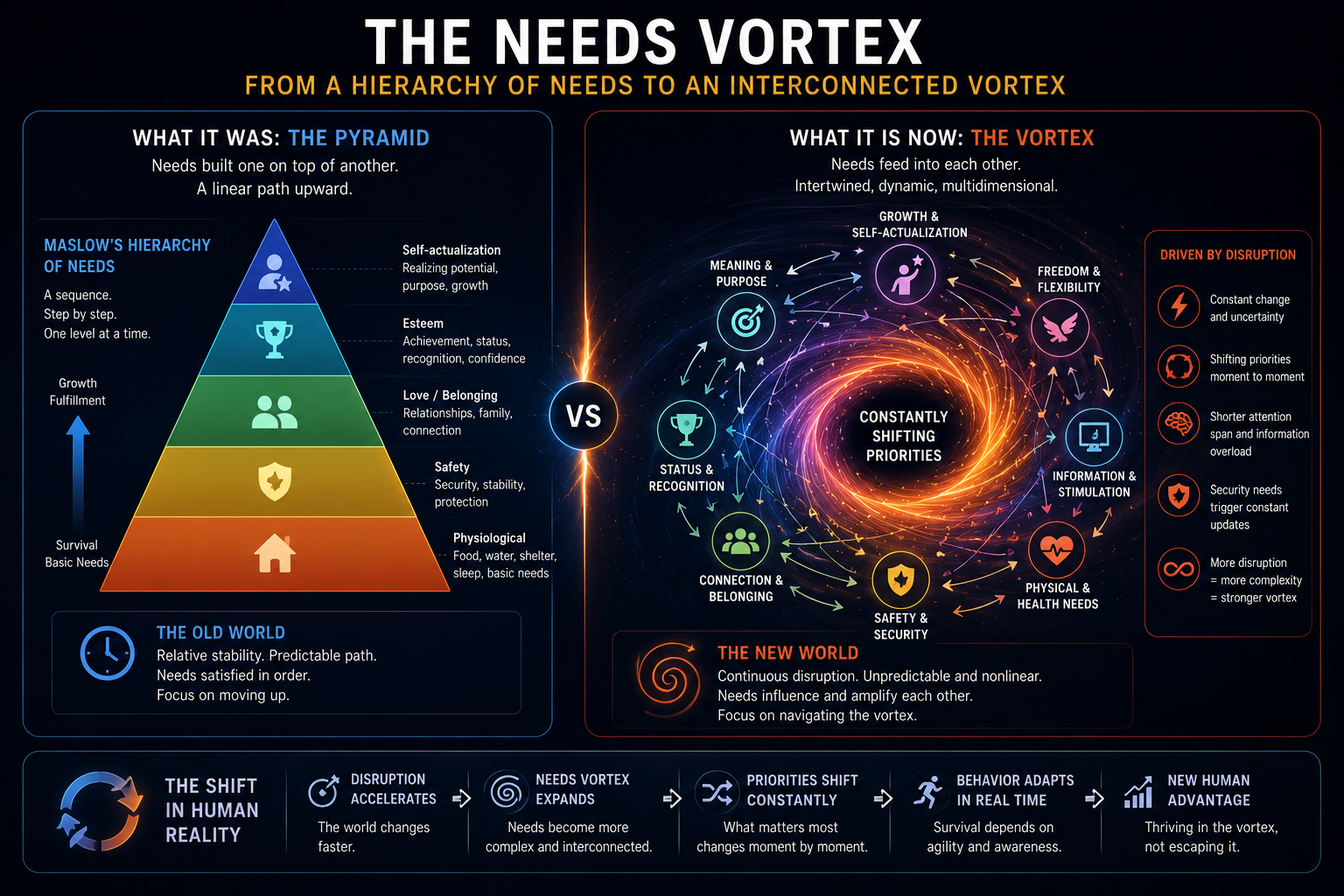
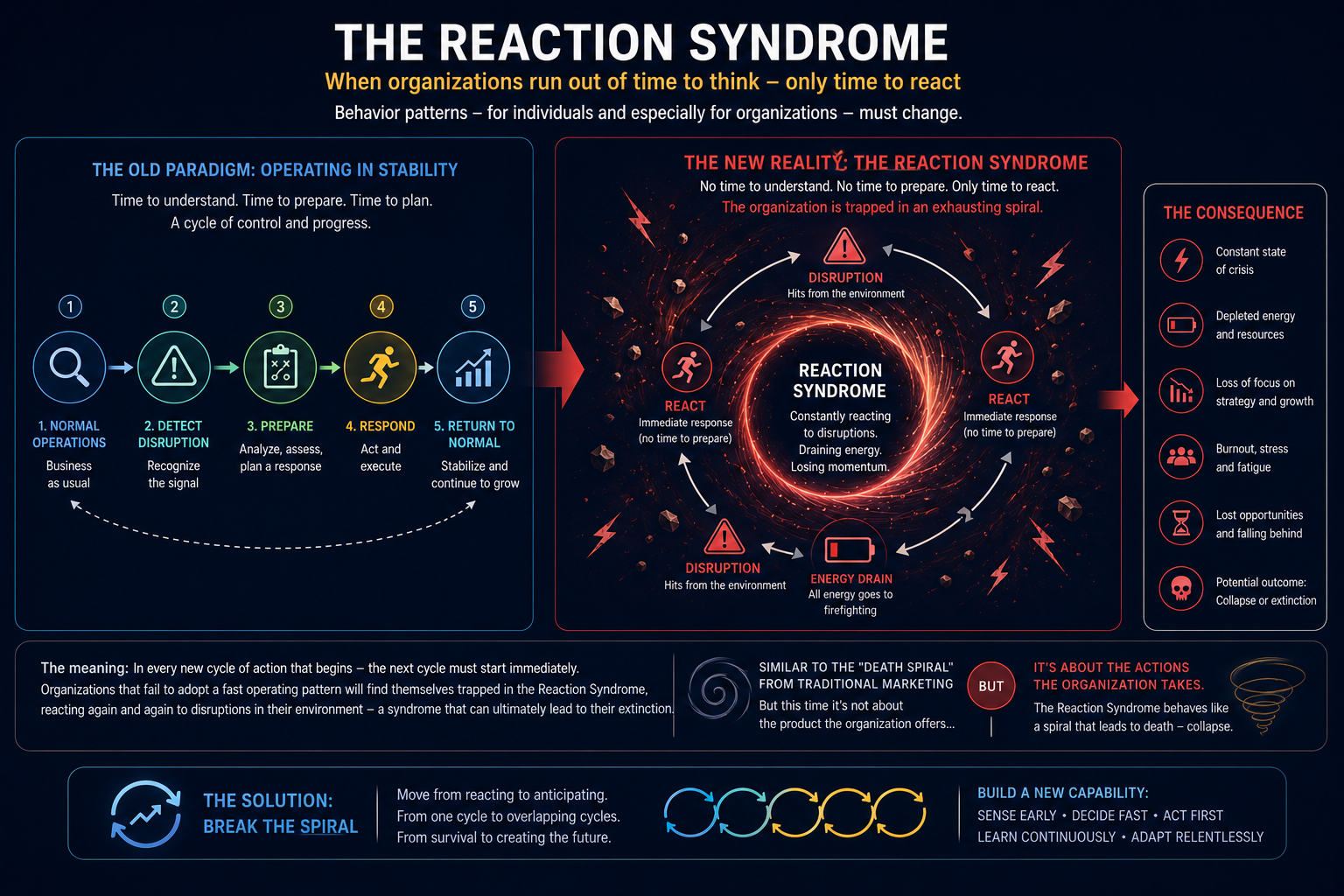
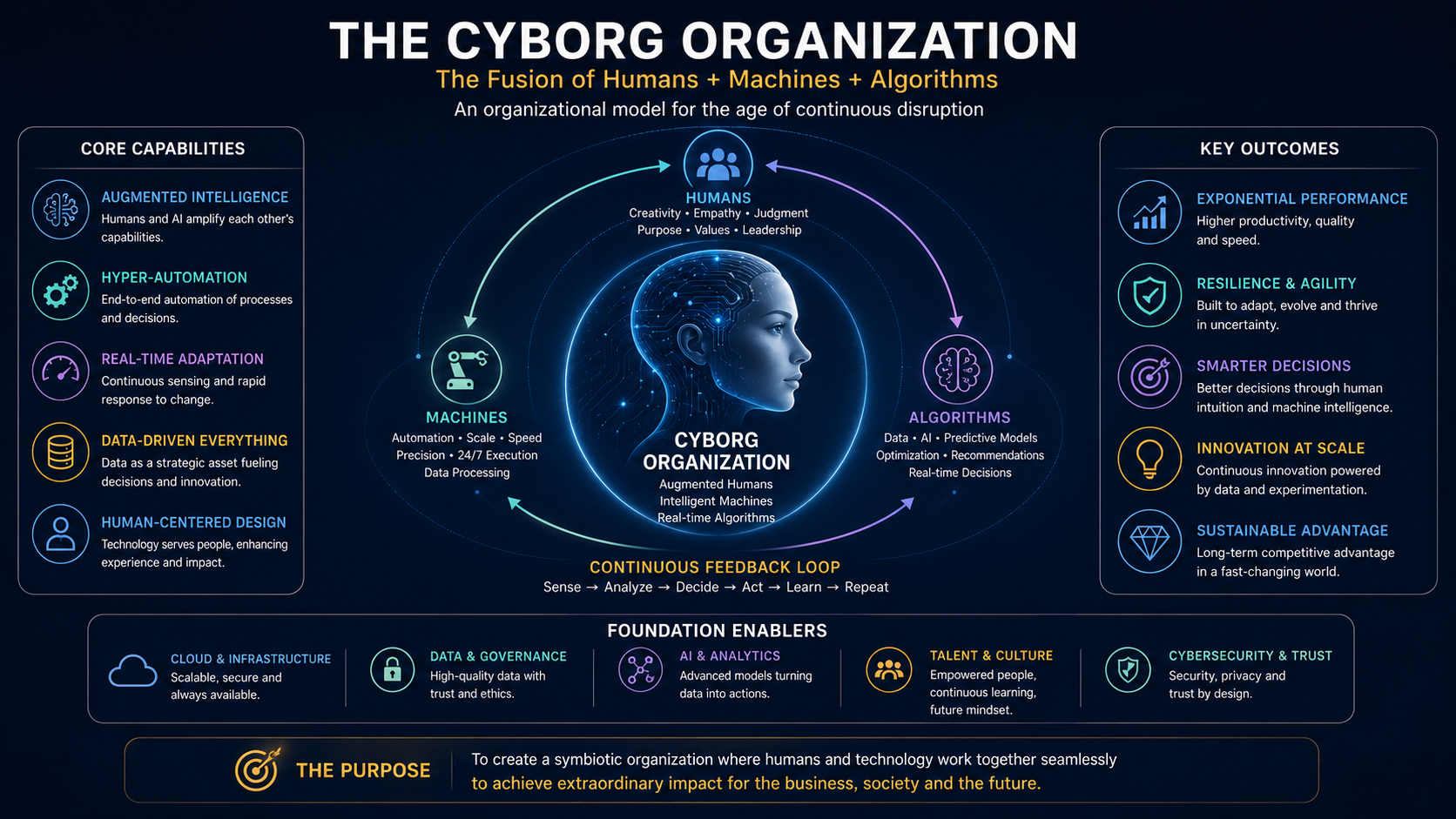
Now, more than ever, organizations must contend with an increasingly fast-paced work environment as well as unprecedented levels of uncertainty. Have the old models of planning and thinking become passé? What must organizations consider when approaching the planning process? Which aspects are still relevant, and which ones need to be rethought?
01Planning — horizons, pacing and frequency
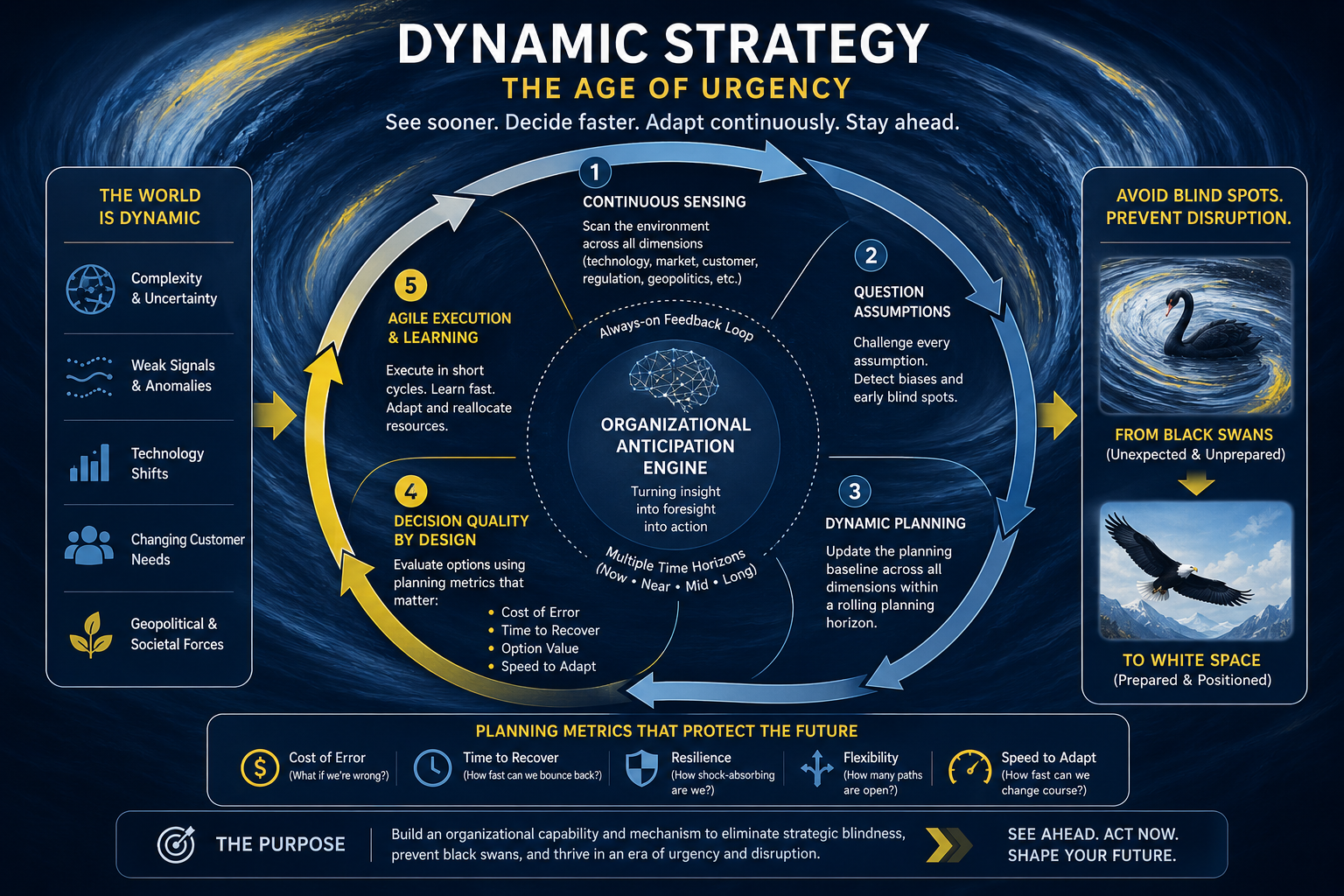
Planning horizons have grown drastically shorter. Work plans must be monitored and adjusted continuously throughout the year; organizations must reallocate responsibilities and resources; and methods of oversight and control must also become continuous — it cannot be done after the fact, which is already too late.
It is important to avoid concluding that instability makes planning meaningless. People get carried away with the thought that by the time they complete a plan, everything will have changed. In fact, the opposite is true: everything will change, and that only reinforces the need for short-term, personalized, adaptable plans. Planning increases in depth — and in the frequency by which it must be adjusted. Ask continuously: what needs deeper thought, what can stay modular and be updated as needed, are the traditional targets still relevant, and are the control methods still effective?
02Uncertainty and risk management
There is now a wider range of risks and a higher level of uncertainty, and both make planning harder. Risk management today is an entirely different beast — a mechanism that permeates the entire organization's activities. Each unit must be measured against risk indices, in addition to meeting business and organizational targets.
Characterize and define as many risk factors and uncertainties as you can, and prepare an action plan for issues that may arise — expecting both unpredictable risks and predictable ones that present differently. Build a recovery plan around two primary measures: how long recovery takes, and how much error the organization can absorb financially. Then define the scope of threats the organization can handle simultaneously.
03Flexibility and efficacy — the organizational weight
Everyone talks about "organizational flexibility," but what does the term actually mean? The old indices — cost per unit sold, cost of generating income — are no longer sufficient. Today's organizations need new efficacy benchmarks: an organizational efficacy index that monitors the decline in overall organizational weight over time, and a flexibility index / "cost of change" that measures the cost of a particular change, such as dismantling one unit and establishing another.
04Adapting to change — change management
Change management is an old, familiar concept — but the pace of change is becoming increasingly difficult to manage, and organizations' capacity to deal with it is limited. For preexisting components, adopt and implement an index of change preparedness. On an overall organizational level, examine the human resources' preparedness and the adaptability of the human capital.
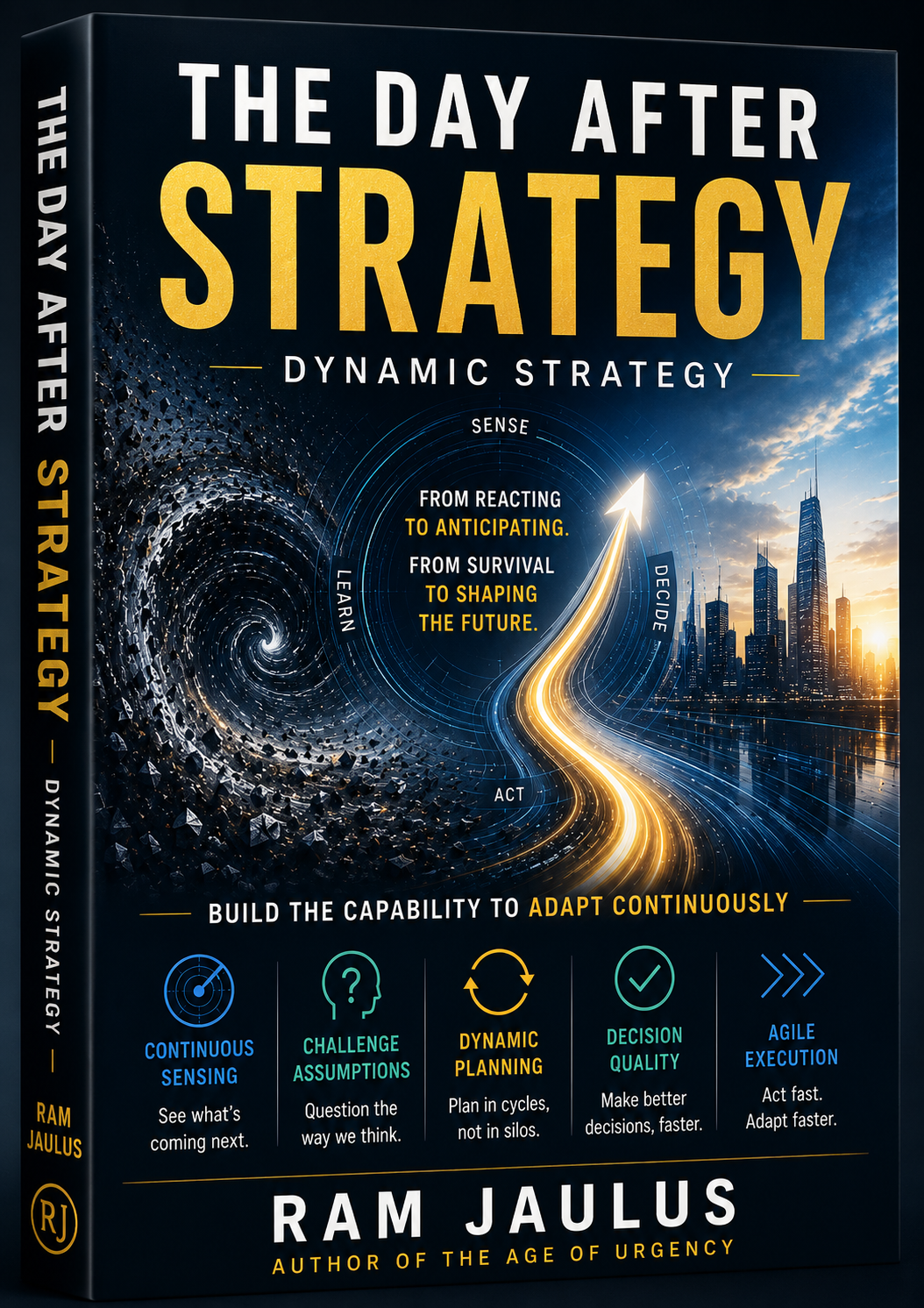
The bottom line. The way we plan is changing, horizons are narrowing, and risk and uncertainty are rising. Taking all of these into account, organizations need to adopt new planning methodologies. Read more in the book →